Designing the Future: Exploring Futuristic Sci-Fi HUD Interface Elements
In the evolving landscape of digital design, futuristic sci-fi HUD interface elements have emerged as a compelling visual language that bridges imagination and functionality. These interfaces, often inspired by cyberpunk aesthetics and speculative technology, are not just confined to movie screens and video games. They are increasingly influencing real-world design practices, especially in UI/UX, motion graphics, and interactive media. As creators and professionals seek to deliver more immersive and forward-thinking experiences, understanding and utilizing these elements becomes both a creative and strategic advantage.
What Makes a HUD Interface “Futuristic”?
Heads-Up Displays (HUDs) originated in military aviation, designed to project critical information directly into a pilot’s line of sight. Over time, this concept evolved dramatically in science fiction, giving rise to the sleek, glowing, and often layered interfaces seen in films like *Blade Runner*, *Minority Report*, and *Iron Man*. These designs typically feature holographic projections, animated data streams, translucent layers, and dynamic typography — all combining to create a sense of high-tech immediacy and control.
What sets futuristic sci-fi HUD interface elements apart is their ability to communicate complexity without overwhelming the user. They balance visual richness with intuitive layout, often using color coding, motion cues, and spatial hierarchy to guide attention. These characteristics are now being adapted for real-world applications, especially in augmented reality (AR), virtual reality (VR), and advanced dashboard interfaces for smart devices and vehicles.
Why Cyberpunk HUD Elements Resonate with Modern Designers
The resurgence of interest in cyberpunk aesthetics is more than just a nostalgic nod to 1980s and 1990s pop culture. It reflects a growing appetite for design that feels both rebellious and technologically sophisticated. Cyberpunk HUD elements are particularly appealing because they encapsulate the tension between high-tech and low-life — a visual metaphor that resonates in today’s increasingly digital and data-driven world.
Designers working in motion graphics, game development, and even web interfaces are increasingly incorporating these elements to evoke a sense of urgency, innovation, and immersion. Neon glows, glitch effects, modular layouts, and layered transparency are no longer just stylistic choices — they are tools for creating emotionally engaging and functionally effective interfaces.
How Futuristic Sci-Fi HUD Elements Are Being Used Today
From smartwatches to car dashboards, the principles behind sci-fi HUDs are being integrated into everyday technology. For example, automotive HUDs now project navigation data directly onto the windshield, allowing drivers to keep their eyes on the road. Similarly, AR glasses and wearable tech are adopting layered data displays that echo the interfaces seen in sci-fi films.
For digital creators, futuristic sci-fi HUD interface elements offer a powerful toolkit for crafting visually striking presentations, animations, and user interfaces. Whether designing a promotional video for a tech startup or developing a UI for a mobile app, these elements can help communicate innovation and forward-thinking design.
Practical Benefits for Designers and Businesses
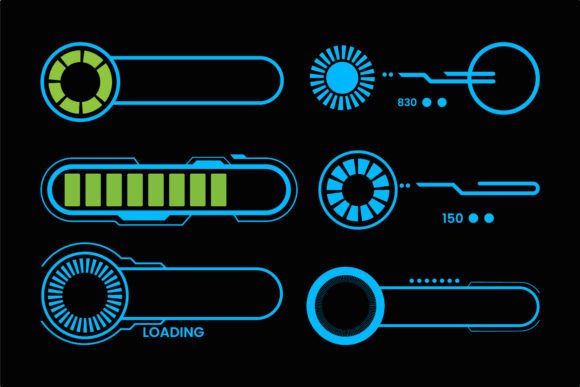
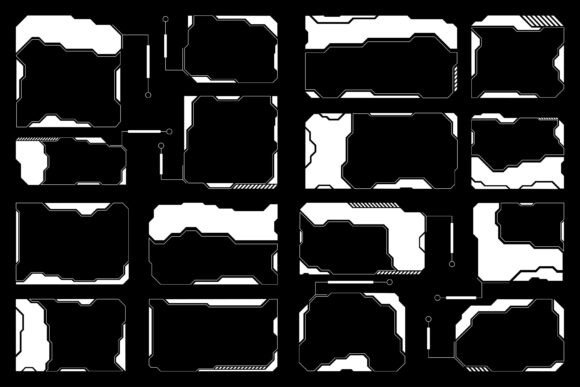
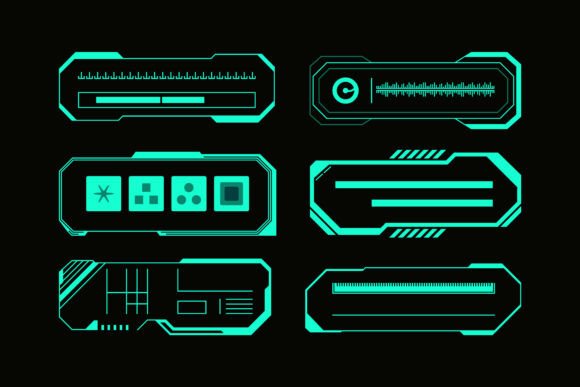
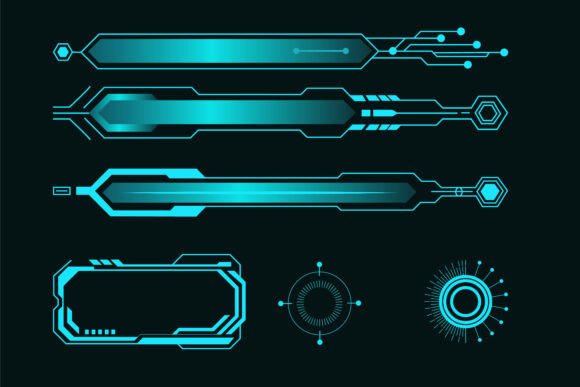
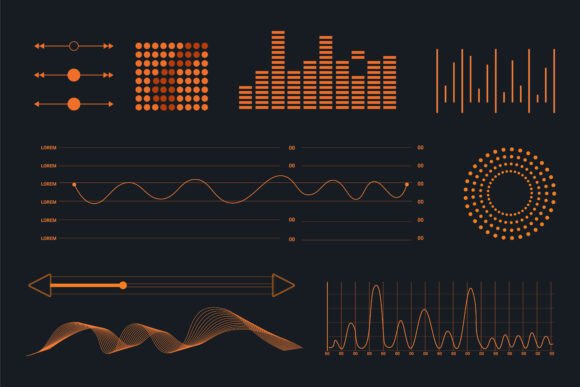
Using a pre-designed cyberpunk HUD elements set can save time and elevate the quality of a project. These sets typically include a wide range of vector-based components such as gauges, icons, data panels, and animated overlays — all customizable to fit specific design needs. Because they are delivered in vector format (such as AI or EPS), they can be scaled without loss of quality, making them ideal for both screen and print use.
- Time-saving: Ready-made HUD elements allow designers to focus on layout and storytelling rather than reinventing visual components.
- Professional quality: Vector files ensure crisp visuals at any resolution, suitable for both digital and print media.
- Customizable: Designers can tweak colors, shapes, and animations to match brand identity or project tone.
For entrepreneurs and marketers, integrating these elements into product visuals or pitch decks can help convey a cutting-edge brand image. In competitive markets, a visually compelling presentation can be the difference between a missed opportunity and a successful pitch.
Getting Started with the Design Files
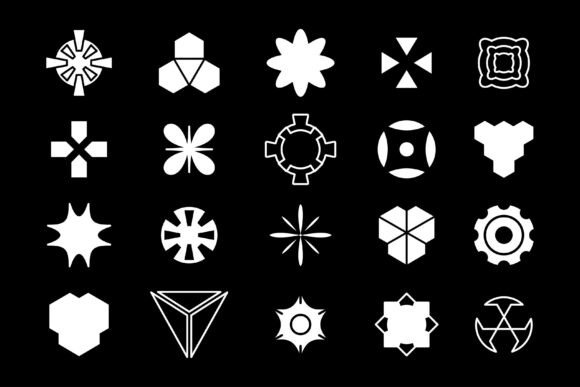
Once you’ve downloaded the futuristic interface sci fi design package, you’ll find it contains both vector and JPG versions of the HUD elements, compressed into a single ZIP file. To begin working with the files, simply extract them using WinZIP, WinRAR, or your operating system’s built-in extraction tool. Once extracted, you can open the vector files in Adobe Illustrator or any compatible vector editing application.
The vector format allows for deep customization — you can change colors, adjust layering, and even animate components if you’re working in a motion graphics environment. The JPG versions are ideal for quick previews or use in platforms that don’t support vector files, such as certain video editing software or presentation tools.
Real-World Applications and Creative Possibilities
Let’s look at a few practical applications where futuristic sci-fi HUD interface elements can make a real impact:
- UI/UX Design: Use HUD components to prototype futuristic dashboards or mobile interfaces that emphasize data visualization and user interactivity.
- Motion Graphics: Incorporate animated HUD elements into explainer videos, product demos, or cinematic sequences to enhance visual storytelling.
- Game Development: Create immersive in-game interfaces that blend seamlessly with sci-fi or cyberpunk environments.
- Marketing Materials: Design striking promotional assets for tech products, events, or campaigns that emphasize innovation and modernity.
These applications are not limited to professional designers. Educators can use these elements to create engaging presentations. Freelancers can enhance their portfolios. Even hobbyists can experiment with digital art and motion design using these intuitive tools.
Conclusion: The Future Is Already Here
The appeal of futuristic sci-fi HUD interface elements lies in their ability to evoke a sense of possibility and precision. As digital interfaces become more complex and immersive, the design language of tomorrow will increasingly borrow from the speculative worlds of science fiction. By incorporating these elements into your creative toolkit, you're not just following a trend — you're helping shape the visual future of interaction design.
Whether you're a professional designer, a marketer, or an enthusiast exploring digital creativity, the cyberpunk HUD elements set offers a versatile and powerful resource. With vector files that allow for deep customization and JPG versions for quick implementation, this design package is a valuable asset for anyone looking to build interfaces that feel both futuristic and functional.