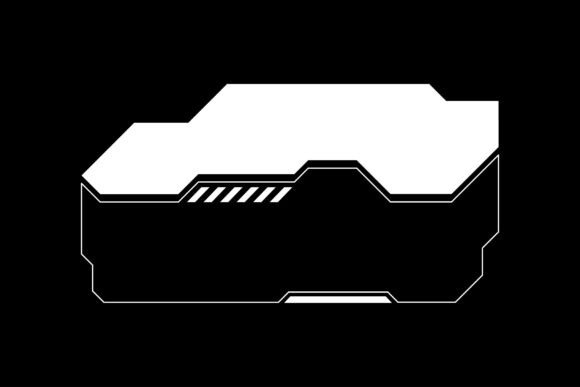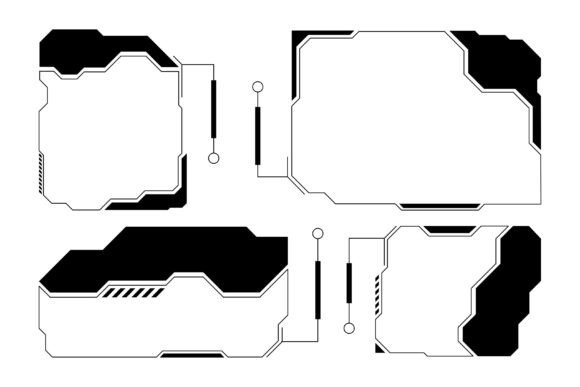
Hud Cyberpunk Digital Interface Elements
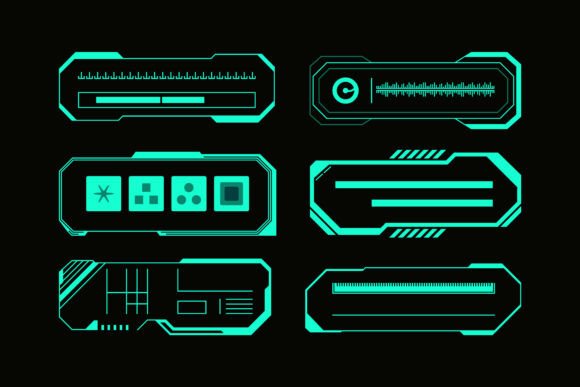
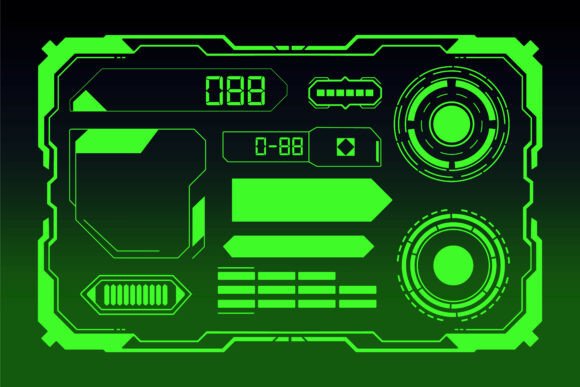
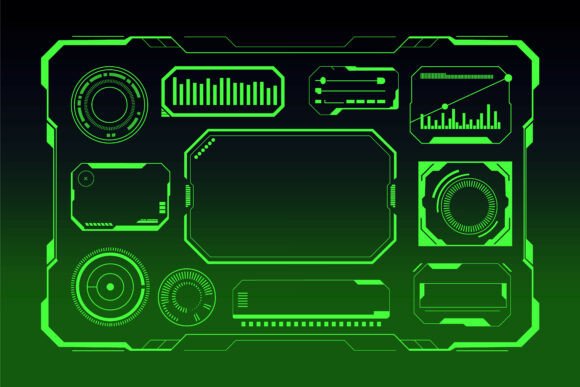
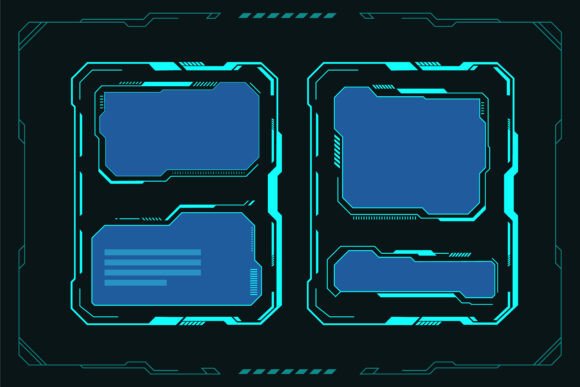
The digital landscape is shifting, and the aesthetic of the future is already here. For designers, creators, and entrepreneurs, the Hud Cyberpunk Digital Interface Elements collection offers more than just a visual style; it provides a toolkit for building immersive, high-tech narratives. This specific set of clip art designs captures the gritty, neon-lit essence of cybernetic technology, translating complex sci-fi concepts into usable, scalable graphics. Whether you are crafting a brand identity for a tech startup or designing merchandise for a gaming convention, these elements serve as the foundational layer for modern, edgy creativity.
The Power of Scalable Vector Design
At the heart of this resource lies a critical technical advantage: vector scalability. Unlike raster images that pixelate when enlarged, the 100 included source files in EPS format allow you to transform, scale up or down, and manipulate every component without losing a single bit of quality. This flexibility is essential for professionals who need to adapt a single design concept across vastly different mediums. A small icon used on a website favicon can be instantly expanded to cover the entire back of a t-shirt or printed on a large banner for an event, maintaining crisp edges and vibrant colors throughout the process.
This capability extends beyond simple resizing. You can easily edit these vector files in any standard vector graphics software. The ability to add or remove elements, adjust line weights, and recolor components means you are not limited to a static image. You become the architect of the final product. If your project requires a specific color palette to match a client's branding, you can swap the default neon greens and cyans for corporate blues or deep purples instantly. This level of control ensures that the Hud Cyberpunk Digital Interface Elements integrate seamlessly into your existing workflow rather than forcing you to work around their limitations.
Creative Applications for Merchandise and Print
One of the most immediate ways to leverage these assets is through physical merchandise. The demand for unique, visually striking apparel and accessories continues to grow, particularly among audiences aged 20 to 50 who appreciate niche aesthetics. These interface elements are perfect for creating custom t-shirts, hoodies, and tote bags. Imagine a sleek, holographic HUD overlay wrapping around the sleeve of a jacket or a fragmented data readout serving as the centerpiece of a graphic tee. The high-contrast nature of cyberpunk design translates exceptionally well to fabric, making bold statements that stand out in a crowded market.
Beyond clothing, the versatility of these clips opens doors for home decor and lifestyle products. Pillows featuring subtle, geometric HUD patterns can add a futuristic touch to a living room, while mugs adorned with glowing circuit lines appeal to coffee-loving gamers and tech enthusiasts. Stickers remain a staple for community building; distributing high-quality vinyl stickers with these designs allows brands to create grassroots marketing campaigns where users wear the logo on laptops, water bottles, and skateboards. The included high-resolution JPG files ensure that even if you are working with print-on-demand services that require raster inputs, the output remains sharp and professional.
Strategic Branding for Tech and Gaming
For marketers and small business owners in the technology sector, these elements offer a way to communicate innovation without relying on stock photography. A software company launching a new cybersecurity suite can use these interface fragments to visualize protection, speed, and connectivity in their brochures and social media posts. Similarly, indie game developers can utilize the assets to build mockups for user interfaces, promotional posters, or box art. The aesthetic suggests advanced functionality, which helps in positioning a product as cutting-edge before the consumer even interacts with it.
Bloggers and content creators also find immense value in these graphics. In an era where visual engagement dictates click-through rates, using custom, thematic headers and infographics can significantly boost reader retention. An article about virtual reality trends becomes far more engaging when accompanied by visuals that mimic the very technology being discussed. By integrating Hud Cyberpunk Digital Interface Elements into editorial layouts, writers can create a cohesive narrative environment that immerses the audience in the subject matter.
Adapting the Aesthetic for Different Audiences
While the cyberpunk genre has distinct roots, its visual language is adaptable. The key to effective application lies in understanding your target demographic. For a younger, Gen Z audience, the design might lean heavily into glitch art, distortion, and saturated neon colors to reflect a rebellious, digital-native attitude. Conversely, for a corporate B2B audience, the same elements can be toned down. By desaturating the colors and simplifying the geometry, the design conveys precision and structure rather than chaos. This adaptability allows freelancers and agencies to reuse the core asset library across diverse projects without appearing repetitive.
Educators and hobbyists can also benefit from this collection. In workshops teaching graphic design or digital illustration, these vector files serve as excellent starting points for students to learn about layers, masking, and color theory. Hobbyists looking to customize their personal projects, such as 3D printing casings for electronics or decorating mechanical keyboards, can use the high-res files to create decals that fit perfectly within tight spaces. The modular nature of the interface elements means they can be deconstructed and reassembled to fit almost any physical dimension.
Maintaining Clarity and Consistency
With great creative freedom comes the responsibility of maintaining visual coherence. When working with complex interface elements, it is easy to overdesign. To keep results clear and effective, focus on negative space. Allow the intricate details of the HUD elements to breathe rather than cluttering the composition. Consistency in color usage is equally important; establishing a primary and secondary color scheme early in the design process ensures that all variations of the asset feel like part of the same family.
Organization is another practical consideration. Since you receive 100 vector source files, managing them efficiently is crucial. Group related elements logically within your software and name layers descriptively. This practice not only speeds up your current workflow but also makes future edits significantly easier. If you plan to update a campaign months later, having a well-organized file structure ensures you can quickly locate the specific data readout or frame element you need to modify.
Bringing Ideas to Life
The true value of the Hud Cyberpunk Digital Interface Elements lies in how they empower creators to execute their vision with precision. Whether you are scaling a design for a billboard or refining a detail for a sticker, the combination of vector flexibility and high-resolution outputs removes technical barriers. It shifts the focus from "how do I make this look good?" to "what story am I telling?". By grounding your creative direction in practical application and understanding the needs of your audience, these digital assets become more than just graphics; they become the building blocks of a compelling visual identity that resonates in a fast-paced, digital world.