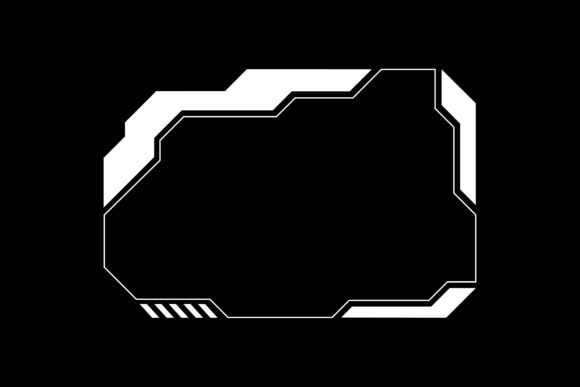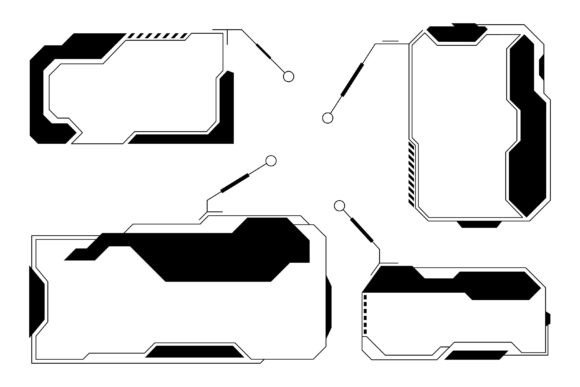
Futuristic HUD Frames & Tech Interface Designs
In today’s fast-evolving design landscape, futuristic HUD frames and tech interface elements are becoming essential tools for graphic designers and visual communicators. These sleek, high-tech design assets offer a modern aesthetic that aligns perfectly with current design trends, making them ideal for a wide range of creative applications—from branding and web design to packaging and digital marketing campaigns.
Why Futuristic Design Elements Matter
Futuristic HUD (Heads-Up Display) frames and tech interface graphics bring a sense of innovation and forward-thinking energy to any project. They are especially valuable in industries like tech, gaming, automotive, and entertainment, where conveying a modern, cutting-edge brand identity is crucial. These design elements help establish a strong visual hierarchy, enhance user engagement, and support a cohesive brand language across both digital and print platforms.
Applications in Branding and Visual Design
When used in branding and logo design, futuristic HUD frames and tech interface components can help reinforce a brand’s positioning as innovative and tech-savvy. They can be integrated into logotypes, brand icons, or supporting graphics to create a unified and professional visual identity. In editorial design and packaging, these assets add a layer of sophistication while maintaining a clean, contemporary look that appeals to modern audiences.
Practical Uses Across Creative Projects
- Social media graphics: Use tech interface elements to create eye-catching posts and stories that align with a futuristic brand tone.
- Web and UI design: Incorporate HUD frames to enhance navigation, highlight key features, or improve the overall user experience.
- Packaging and print materials: Add a high-tech edge to product packaging, labels, or promotional flyers for a premium feel.
- Miscellaneous merchandise: Ideal for t-shirts, mugs, stickers, and more—these designs maintain quality and scalability across various print-on-demand products.
Design Flexibility with Vector Files
One of the biggest advantages of these design assets is their vector format. With 100 EPS vector files included, designers can easily scale, edit, and customize each element to fit specific project needs. Whether you’re adjusting the color palette, modifying shapes, or integrating new text, these files ensure no loss in quality—making them perfect for both digital and print workflows.
Enhancing User Experience and Communication
In UI and UX design, futuristic HUD frames and tech interface graphics can serve as functional design components that guide user interaction. From dashboard layouts to interactive buttons, these visuals support intuitive navigation and help users process information more efficiently. When combined with thoughtful typography and a strategic color scheme, they contribute to a polished and professional digital experience.
Choosing the Right Design Elements
When selecting HUD frames or interface graphics, consider the following:
- Consistency: Ensure the design style aligns with your existing brand assets.
- Scalability: Choose vector-based graphics that maintain clarity at any size.
- Visual hierarchy: Use these elements to emphasize key messages or interactive components.
- Audience alignment: Match the futuristic tone to your target demographic’s expectations and preferences.
By thoughtfully integrating futuristic HUD frames and tech interface elements into your creative workflow, you can elevate the visual impact of your projects while ensuring clarity and professionalism. Whether you're designing a tech startup’s brand identity or crafting engaging social media visuals, these versatile assets offer endless possibilities for innovation and creative expression.